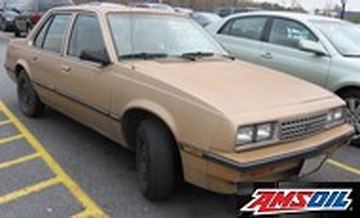
Lubrication Maintenance for the 1982 Chevrolet CAVALIER 1.8L
Maintaining the engine lubrication system in a vehicle like the 1982 Chevrolet CAVALIER 1.8L requires consistent attention to fluid condition and component integrity. Because this vehicle is an older model, the approach to maintenance should focus on monitoring current mechanical health rather than relying solely on age-based assumptions. Proper lubrication management helps ensure that internal engine components remain protected against friction and heat during operation.
Monitoring Fluid Condition and Potential Leaks
One of the most effective ways to monitor the health of the 1.8L engine is through regular visual inspections for fluid integrity. Over time, various seals and gaskets may undergo changes in their ability to contain fluids. When performing routine checks, look for any signs of seepage or active leaks around the engine block and sealing surfaces. Even small amounts of oil residue can indicate that a seal is beginning to lose its effectiveness.
If you notice fresh fluid accumulating on the underside of the vehicle or around the engine area, it warrants further investigation. It is important to remember that many different factors can cause fluid loss; therefore, seeing a leak does not immediately identify a specific failed component. Instead, use these observations as a starting point for a more detailed inspection of the gaskets and seals in the affected area. Keeping the engine bay relatively clean can also make it much easier to spot new or increasing leaks before they become significant issues.
Observing Changes in Engine Performance
Beyond visual inspections, an owner should remain attentive to how the vehicle behaves during operation. Changes in how the engine sounds or runs can sometimes be associated with lubrication concerns. For example, unusual mechanical noises that were not previously present may indicate a change in the way internal components are being lubricated. While such sounds can have many different origins, they should never be ignored.
Additionally, keep an eye on any warning indicators on the dashboard. If a lubricant-related warning light illuminates, it requires immediate attention to prevent potential damage. You should also monitor for any unusual exhaust characteristics or signs of overheating. While these symptoms are often caused by other systems—such as the cooling system or fuel delivery—they can sometimes be linked to lubrication issues. Always treat new or changing symptoms as a prompt to have the vehicle inspected by a professional to determine the actual cause.
Prioritizing Long-Term Engine Care
For an owner of a 1982 Chevrolet CAVALIER, effective maintenance is often about establishing a clear baseline of the vehicle's current condition. If you do not have access to a complete service history, your first priority should be to document the current state of all fluids and major components. This allows you to recognize when a change occurs, whether it is an increase in oil consumption or a new leak.
When deciding which maintenance tasks to address first, prioritize active issues. If there is evidence of an active leak or if the engine is showing signs of unusual operation, these should take precedence over general preventive measures. As the vehicle ages, your maintenance strategy may shift from strictly following a schedule to a more condition-based approach. This means inspecting aging materials—such as hoses or belts, if equipped—to ensure they remain pliable and intact, rather than replacing them based solely on their age.
Maintaining detailed records of all completed services, including the types of lubricants used and any parts replaced, is highly beneficial. These records help you track the frequency of maintenance needs and provide a clear history that can assist in troubleshooting future mechanical concerns. A well-documented history makes it easier to distinguish between a new problem and a long-standing characteristic of the engine.
General Inspection of Engine Accessories
While focusing on lubrication, it is also useful to perform a broader inspection of the components surrounding the engine. If equipped, inspect accessible drive belts for signs of wear such as cracking, glazing, or fraying. Similarly, if the vehicle is equipped with various hoses, check them for any evidence of brittleness, swelling, or leaks. While these components are not part of the lubrication system itself, their condition is vital to the overall health and operating temperature of the 1.8L engine.
Electrical connections and wiring should also be checked for signs of corrosion or damage. Ensuring that sensors and electrical connectors remain clean and secure helps maintain the accuracy of the vehicle's monitoring systems, which in turn provides you with more reliable information regarding the engine's status.
Selecting Lubricants for Aging Engines
When it comes to choosing a lubricant, there are several formulations available that may be appropriate depending on the current state of the engine. Some high-mileage oil formulations contain additives intended for use in aging engines. These specialized oils often include seal-conditioning additives designed to help maintain the integrity of various gaskets and seals. While these can be useful in vehicles with higher mileage, they are not a substitute for repairing active leaks.
The choice between conventional, synthetic blend, or full synthetic oil should be based on the specific application requirements. Synthetic oils generally offer high thermal stability and better resistance to oxidation, which can be beneficial for maintaining engine cleanliness. However, the most important factor is ensuring that whatever product you select matches the technical requirements of your specific engine.
Buying Engine Oil for 1982 Chevrolet CAVALIER 1.8L
When you are ready to purchase new lubricant, do not rely on general automotive knowledge or assumptions based on the vehicle's age to determine the correct grade. To ensure proper protection and performance, match the engine oil to the application-specific viscosity information already displayed on this page. Before completing your purchase, always check the product label to verify that the oil meets the necessary quality standards and certifications for your engine.